

If you keep waking up around 3 a.m. and then lie there unable to fall back asleep, here is the short answer: the early morning hours are when your sleep is naturally lightest and your cortisol is starting to rise, so it takes very little (stress, a warm room, a late drink) to pull you fully awake. A brief wake-up in the night is normal. Getting stuck awake afterward is the part worth fixing.
This guide covers why 3 a.m. is such a common time to stir, the usual reasons behind it, and where a cannabinoid like CBN fits for people whose real struggle is staying asleep. For the bigger picture, see our complete guide to CBD for sleep.
Is it normal to wake up at 3 a.m.?
Mostly, yes. Everyone surfaces into light sleep several times a night as one sleep cycle ends and the next begins. Usually you settle back so quickly you never remember it. A wake-up becomes a problem only when you cannot drift back, or when it happens night after night and leaves you drained the next day.
The reason these wake-ups cluster in the early morning comes down to how a night of sleep is built.
Why you wake up at 3 a.m.: the usual causes
Your deepest sleep is already behind you
Deep, slow-wave sleep is front-loaded into the first half of the night. After roughly three or four hours, your cycles shift toward lighter stages and more dreaming sleep. In that lighter state, a small disturbance you would sleep straight through at 11 p.m. can wake you at 3 a.m.
Cortisol begins its morning climb
Cortisol is your body's main alerting hormone. It bottoms out in the evening to let you sleep, then starts rising in the pre-dawn hours to get you ready to wake. If stress keeps your baseline cortisol high, or it starts climbing early, that rise can tip you out of already-light sleep before you are ready.
Stress and a busy mind
Worry does not clock out at bedtime. When your mind is loaded, you sleep lighter and wake more easily, and then the frustration of being awake at 3 a.m. piles on more stress, which makes falling back asleep even harder. It is a loop, and a very common one.
Alcohol, late meals, and blood sugar
A drink in the evening can help you nod off, then work against you a few hours later as it wears off and your sleep rebounds toward wakefulness. Large or sugary meals close to bedtime can swing your blood sugar overnight and do something similar.
Your room, your age, and your bladder
A bedroom that is too warm, too bright, or too noisy nudges light sleep into a full wake-up. Sleep also gets naturally lighter as we age, and nighttime bathroom trips become more frequent, both of which stack more potential wake-ups into the back half of the night.
Where CBN comes in for staying asleep
Most sleep products are built for one job: helping you fall asleep. If your problem is the opposite, waking up and not getting back down, the more useful question is what supports sleep maintenance. That is where CBN (cannabinol) has drawn the most interest.
CBN is a minor, non-intoxicating cannabinoid that forms as hemp-derived compounds age. In hemp wellness products it is the cannabinoid most associated with nighttime rest, and it has some early research behind that reputation:
- A 2023 randomized, placebo-controlled trial found that adults taking 20 mg of CBN before bed reported fewer nighttime awakenings and less overall sleep disturbance than a placebo group. The effect showed up in staying asleep rather than falling asleep faster, which is exactly the 3 a.m. pattern.
- A 2024 University of Sydney study in Neuropsychopharmacology was the first to use objective measures to show CBN increased total sleep time, though that work was done in animal models, not people.
The honest read: the early signals for CBN and sleep continuity are interesting, but the science is young and much of it is preliminary. Cannabinoids affect people differently, so starting low and keeping expectations realistic matters. CBN is a wellness option some people fold into a bedtime routine, not a treatment for insomnia or any medical condition.
Falling asleep vs staying asleep: matching the tool to the problem
Different sleep problems tend to call for different tools. Here is how people usually sort it out.
| If your problem is | People often reach for | Why |
|---|---|---|
| Cannot fall asleep (racing mind) | CBD | Associated with winding down and easing a busy mind |
| Wake at 3 a.m., cannot get back down | CBN | Associated with sleep maintenance and fewer wake-ups |
| A bit of both | CBD and CBN together | Covers the start and the middle of the night |
| Off sleep timing (jet lag, shift work) | Melatonin | A timing signal, not a sedative |
For a closer look at the first two, see CBN vs CBD for sleep and what CBN actually is. If you are weighing that last row, we compare options in CBD vs melatonin for sleep.

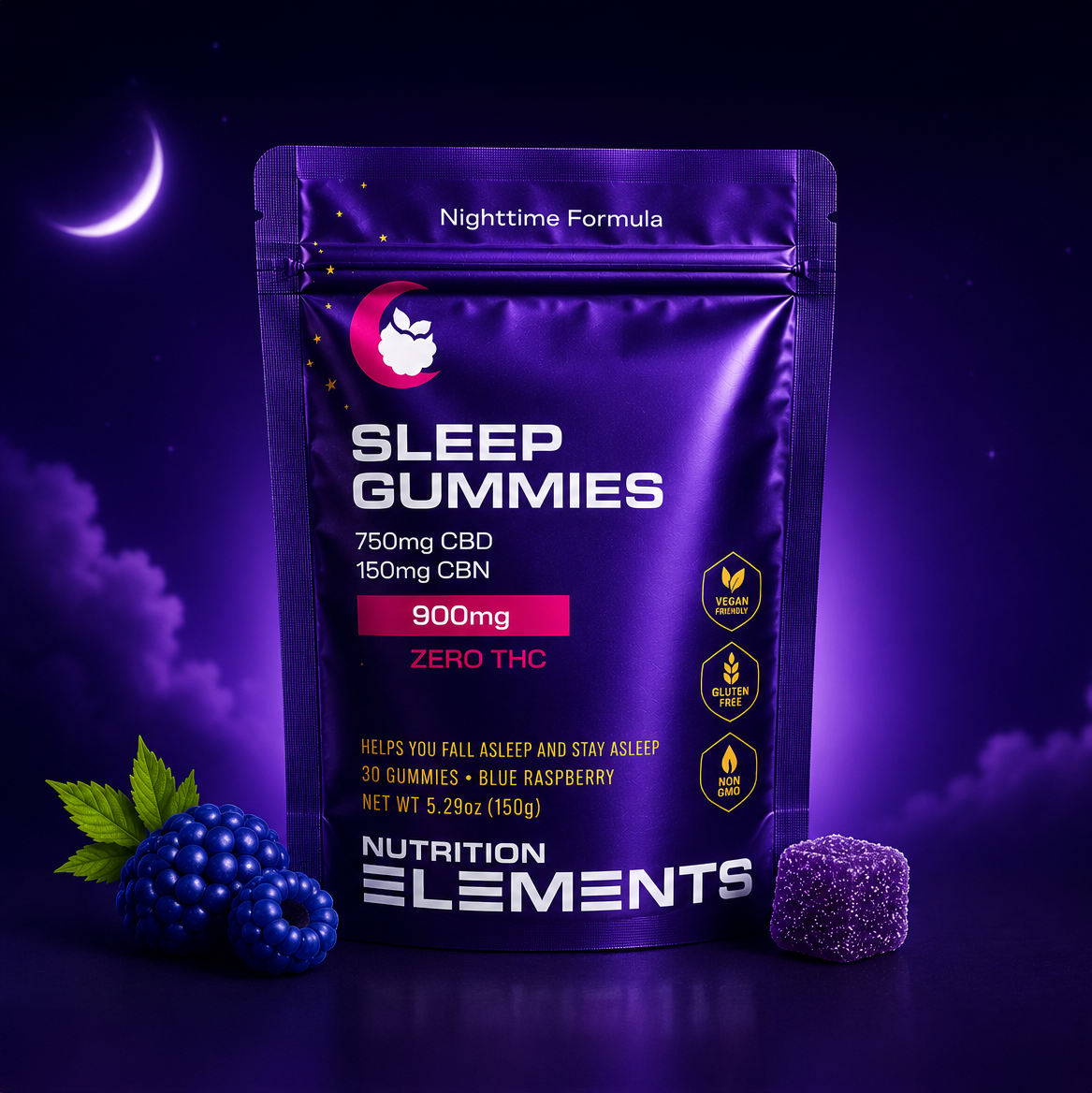
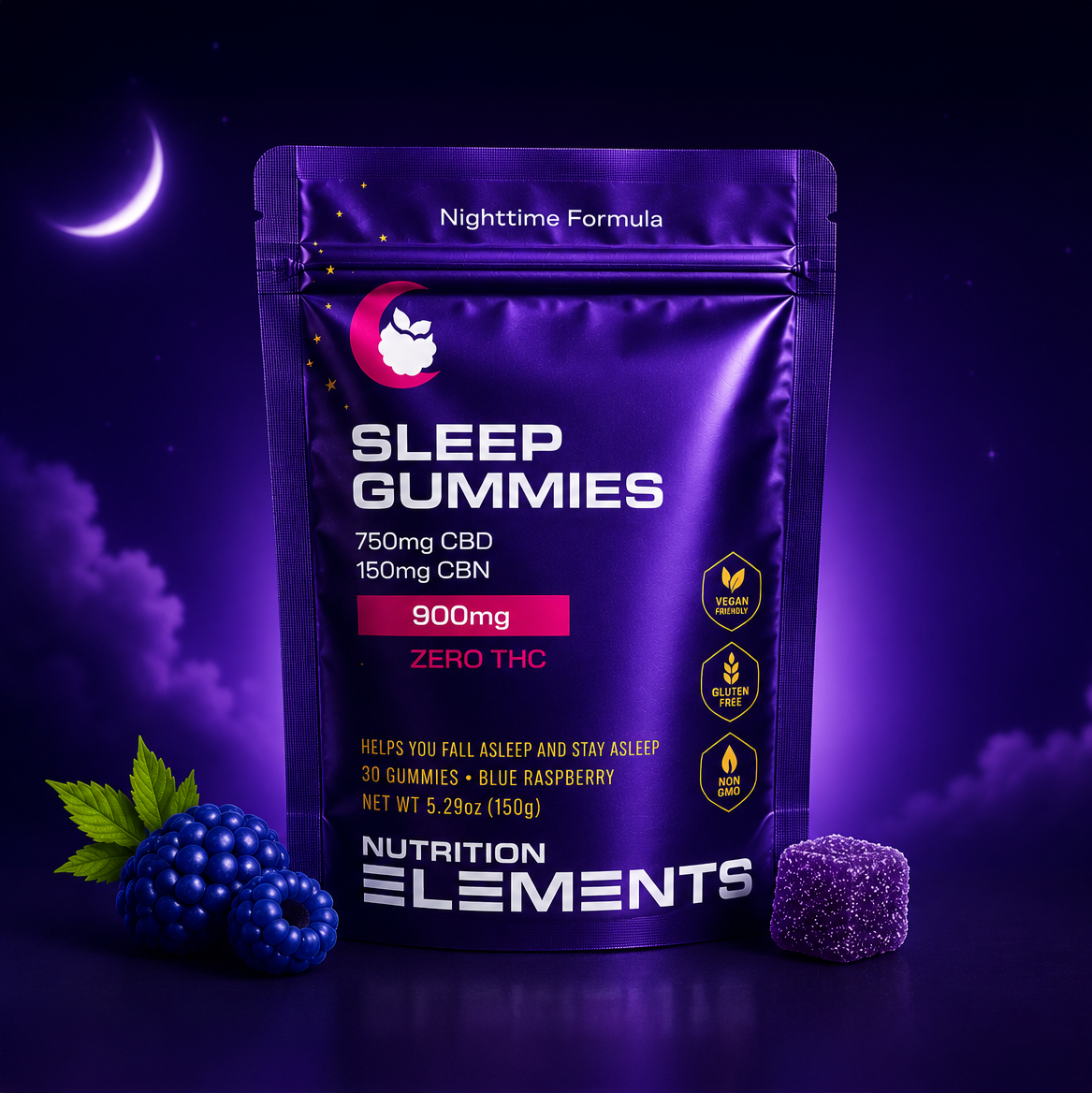
Made for staying asleep
Sleep Gummies with CBD, CBN + Passion Flower
Zero-THC nighttime gummies that pair CBN, the cannabinoid people reach for to stay asleep, with CBD and passion flower for an easier wind-down.
Shop Sleep Gummies →A simple plan to sleep through the night
No single trick fixes middle-of-the-night waking, but a handful of habits stacked together usually move the needle:
- Keep one wake-up time. A consistent rise time, even on weekends, steadies the cortisol rhythm that governs when you wake.
- Get bright light early, dim light late. Morning light anchors your internal clock. Dimming screens and lamps in the last hour before bed helps melatonin rise on schedule.
- Go easy on the evening drink. If 3 a.m. wake-ups are a pattern, try a few weeks with no alcohol after dinner and see what changes.
- Make the room cool, dark, and quiet. Aim for a slightly cool temperature, block stray light, and mask noise if you need to.
- Build a wind-down you repeat every night. A CBN-forward gummy or tincture 30 to 60 minutes before bed can be part of it. For a higher CBN dose, our Elemental Calm CBN + CBG Gummies pair 25 mg of CBN with 25 mg of CBG. If you would rather adjust the amount drop by drop, the 2,400 mg CBD Sleep + Relaxation Oil combines CBD and CBN with a terpene blend. Our CBD and CBN dosage guide covers where to start.
- Do not watch the clock. If you are awake more than about 20 minutes, get up, keep the lights low, do something dull, and go back when you feel sleepy. Staring at the time only feeds the stress that keeps you up.
When to talk to a doctor
An occasional 3 a.m. wake-up is nothing to worry about. It is worth checking in with a healthcare provider if the waking is frequent and leaves you exhausted, if you snore loudly or wake gasping (possible signs of sleep apnea), or if low mood or anxiety seems to be driving it. Those are treatable, and a supplement is not a substitute for care.
Frequently asked questions
Why do I wake up at exactly 3 a.m. every night?
It is rarely the exact same minute. The early morning hours are simply when your sleep is lightest and cortisol is rising, so you are primed to notice a wake-up and remember it. Clock-watching then reinforces the habit.
Is waking up at 3 a.m. a sign of anxiety?
It can be. Stress and anxiety lighten sleep and raise the odds of waking in the second half of the night. If your mind races the moment you wake, that is a clue worth addressing, sometimes with a professional.
Does CBN help you stay asleep?
Early research is encouraging. A 2023 placebo-controlled trial linked 20 mg of CBN to fewer nighttime awakenings, and it seemed to help with staying asleep rather than falling asleep faster. The science is still young, and results vary from person to person.
How much CBN should I take for sleep?
Many people start around 20 mg, taken 30 to 60 minutes before bed, then adjust. Start low and stay consistent. See our CBD and CBN dosage guide, and check with your healthcare provider about what is right for you.
Will CBN leave me groggy in the morning?
Most people do not report a next-day haze at typical amounts, but everyone is different. If you feel foggy, lower the dose or take it a little earlier in the evening.
CBN or melatonin for waking up at night?
Melatonin is mainly a timing signal, most useful when your schedule is off. For staying asleep once you are already down, CBN is the one people tend to reach for. Some use a low dose of each. See CBD vs melatonin for sleep for more.
About the author: Evan Bosma is the Founder & CEO of Nutrition Elements, focused on customer education and product transparency. View our third-party lab results (CoAs) for every batch →
These statements have not been evaluated by the Food and Drug Administration. These products are not intended to diagnose, treat, cure, or prevent any disease. Consult your healthcare provider before use, especially if you are pregnant, nursing, or taking medication.


CBD vs Melatonin for Sleep: Which Should You Try?