

CBD and hemp-derived cannabinoid are the two most talked-about compounds in hemp and cannabis, and they are often confused. They actually share the same chemical formula, but a tiny difference in how their atoms are arranged gives them very different effects. Here is a clear breakdown.
The quick answer
Hemp-derived cannabinoid is the compound that produces the "high" associated with cannabis. CBD is non-intoxicating, so it will not get you high. Both interact with the body's endocannabinoid system, but in different ways, and they differ in legality and in how they show up on drug tests.
What is CBD?
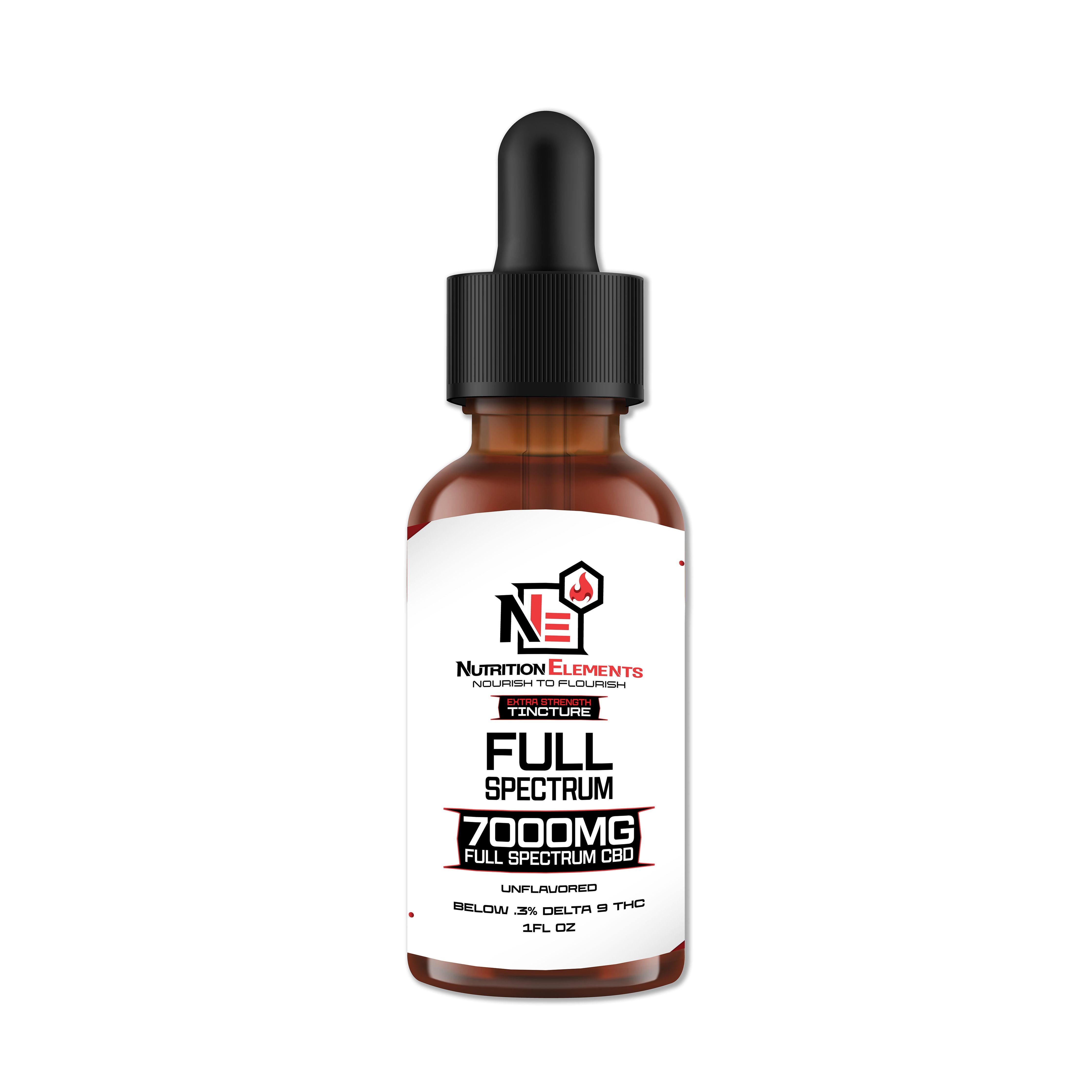
CBD (cannabidiol) is a non-intoxicating cannabinoid commonly used for everyday wellness like calm, recovery, and general balance. Hemp-derived CBD is widely available across the U.S. Explore our full CBD collection to see oils, gummies, capsules, topicals, and more.
What is hemp-derived cannabinoid?
Hemp-derived cannabinoid (tetrahydrocannabinol) is the primary intoxicating compound in cannabis. Hemp-derived Delta-9, made in line with the 2018 Farm Bill, is what you will find in our Hemp-derived cannabinoid products. It is enjoyed for relaxation and is dosed in clearly labeled milligram strengths.
Try one of each
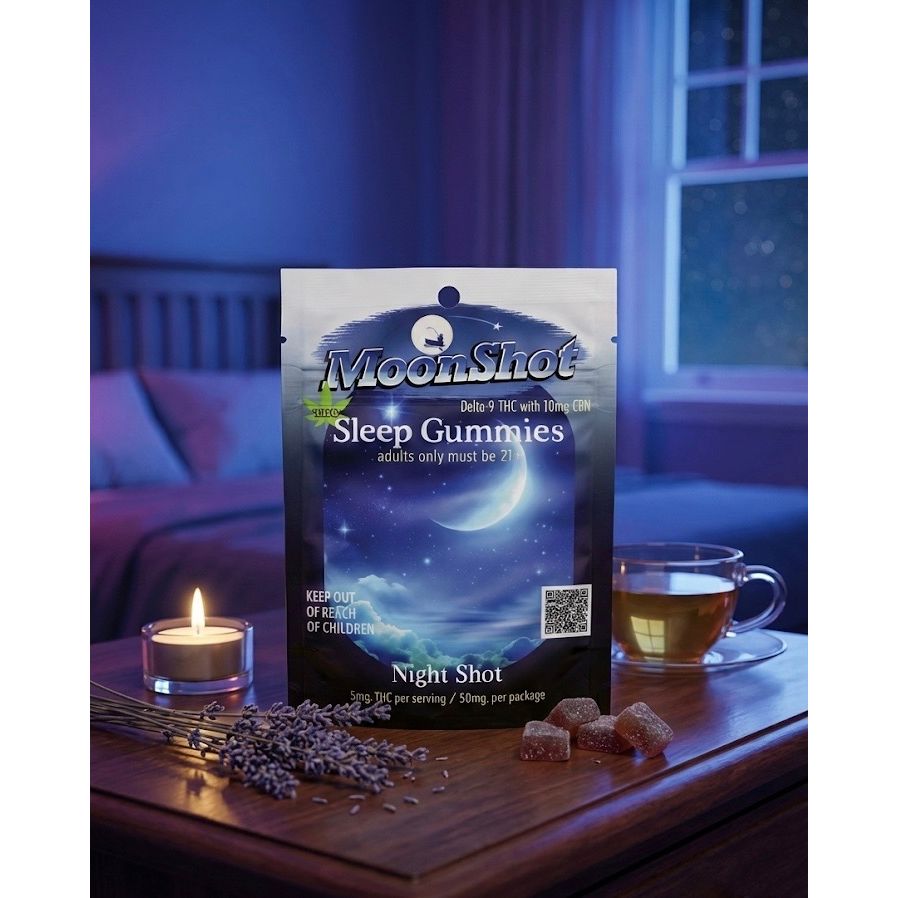
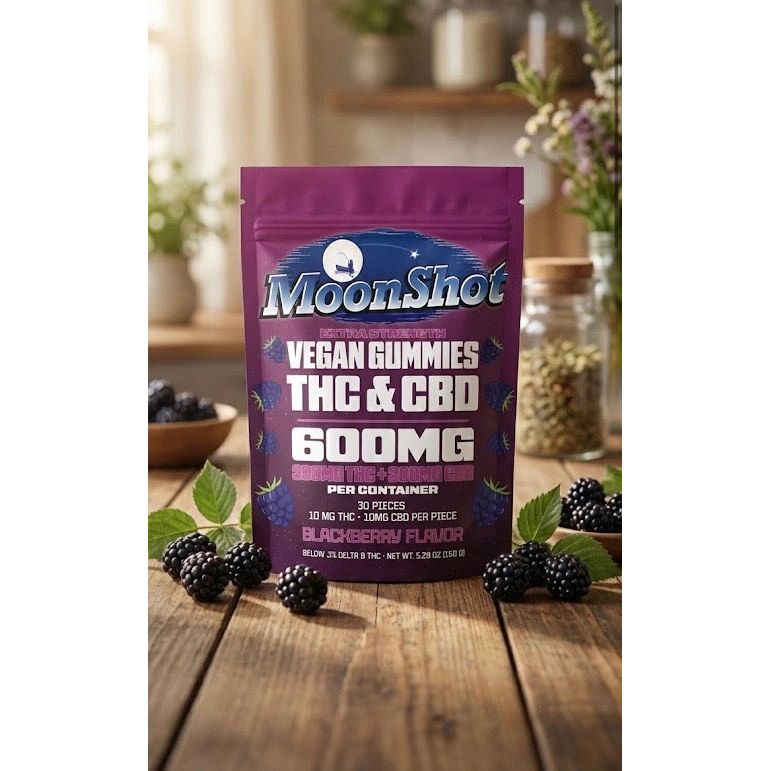
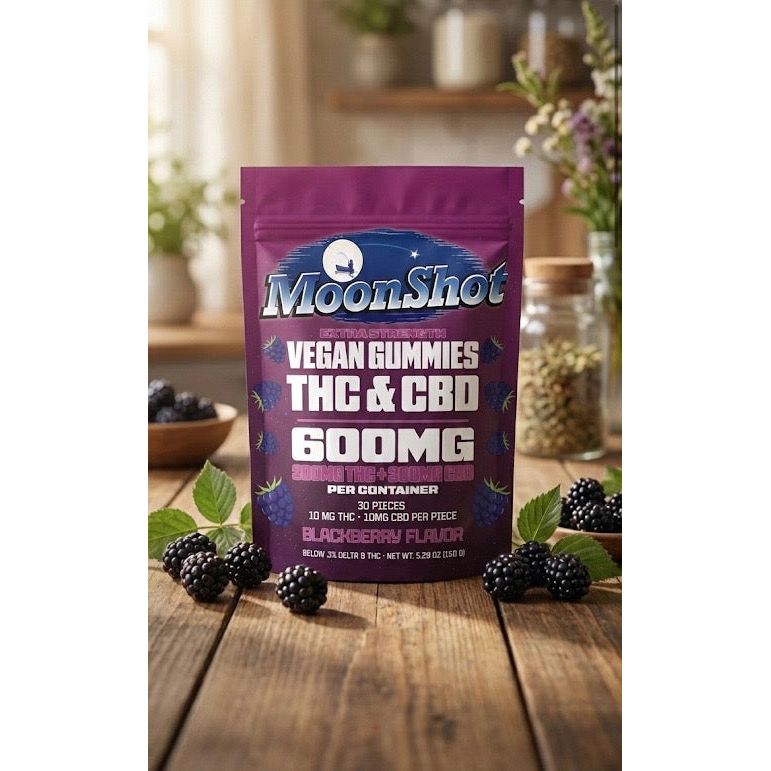
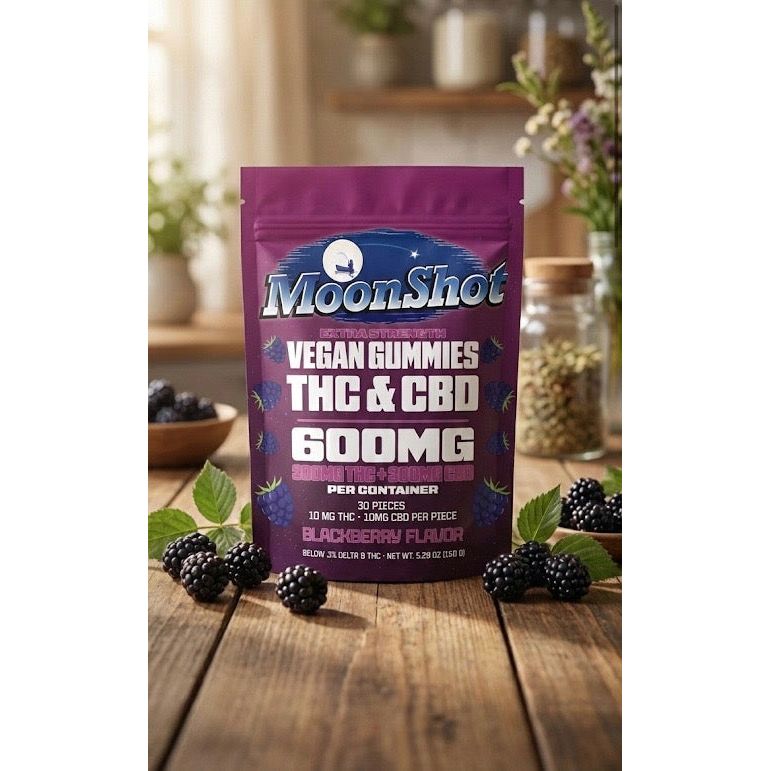
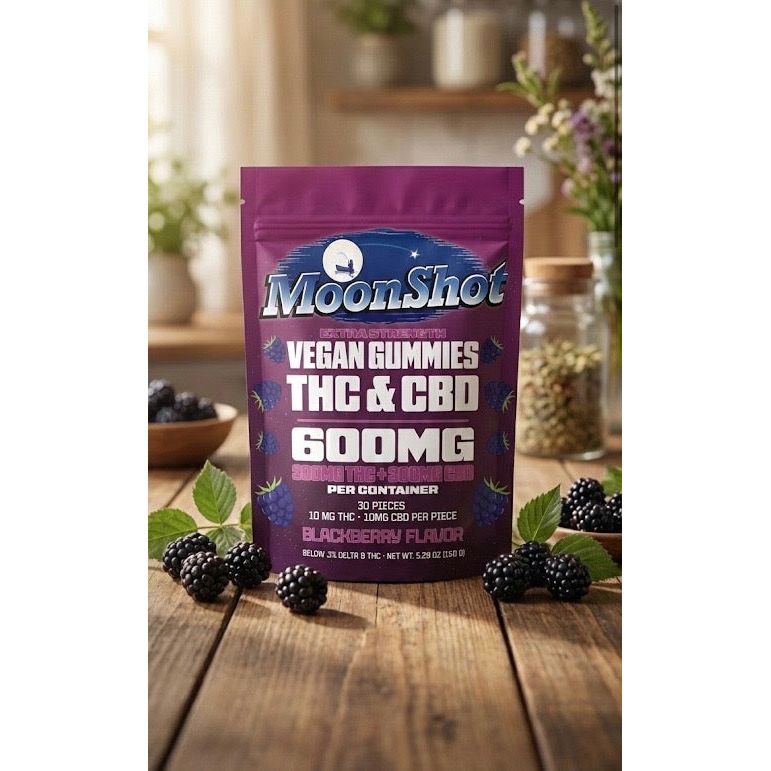
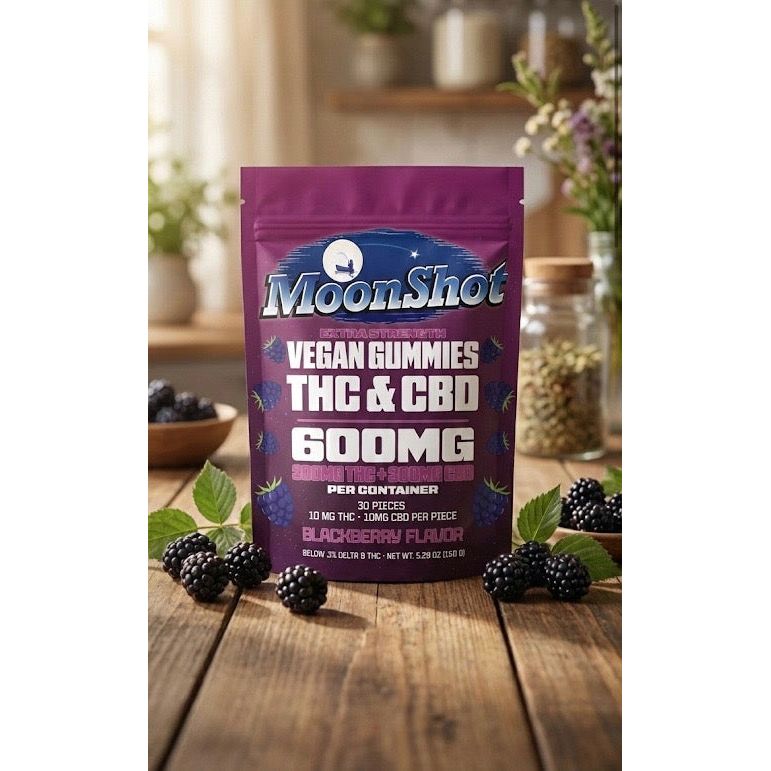
A non-intoxicating CBD oil and a low-dose hemp Delta-9 gummy are the two easiest ways to feel the difference for yourself:


Key differences at a glance
- Intoxication: hemp-derived cannabinoid can make you feel high; CBD does not.
- How people use them: CBD for daily calm and recovery; hemp-derived cannabinoid for relaxation and the experience.
- Legality: Hemp-derived CBD and hemp Delta-9 are federally legal under the 2018 Farm Bill, but state rules vary, so always check yours.
- Drug tests: hemp-derived cannabinoid is what standard tests detect. CBD itself is not, but full-spectrum CBD contains trace hemp-derived cannabinoid. If you are tested, choose Delta-9-free options.
Full spectrum, broad spectrum, or isolate?
This matters because it determines how much (if any) hemp-derived cannabinoid is present. For a full breakdown, see our guide to full spectrum vs broad spectrum CBD. In short: full spectrum includes trace hemp-derived cannabinoid, broad spectrum is Delta-9-free, and isolate is pure CBD.
How to choose
If you want to avoid any intoxication or are subject to drug testing, start with broad spectrum (Delta-9-free) CBD. If you are curious about hemp-derived cannabinoid and it is legal where you live, start low with a clearly dosed Delta-9 product and go slow.
Frequently asked questions
Does CBD get you high?
No. CBD is non-intoxicating. Hemp-derived cannabinoid is the compound responsible for the high.
Is CBD or hemp-derived cannabinoid legal?
Hemp-derived CBD and hemp Delta-9 are federally legal under the 2018 Farm Bill, but state laws vary. Check your local rules.
Will CBD make me fail a drug test?
CBD itself is not tested for, but full-spectrum products contain trace hemp-derived cannabinoid. Choose Delta-9-free options if you are tested.
Can I take CBD and hemp-derived cannabinoid together?
Many products combine them. Start low, especially with any product containing hemp-derived cannabinoid.
This article is for educational purposes only and is not medical advice. These statements have not been evaluated by the FDA. Our products are not intended to diagnose, treat, cure, or prevent any disease. Consult your healthcare provider before use, especially if you are pregnant, nursing, or taking medication.
Does CBD Show Up on a Drug Test?
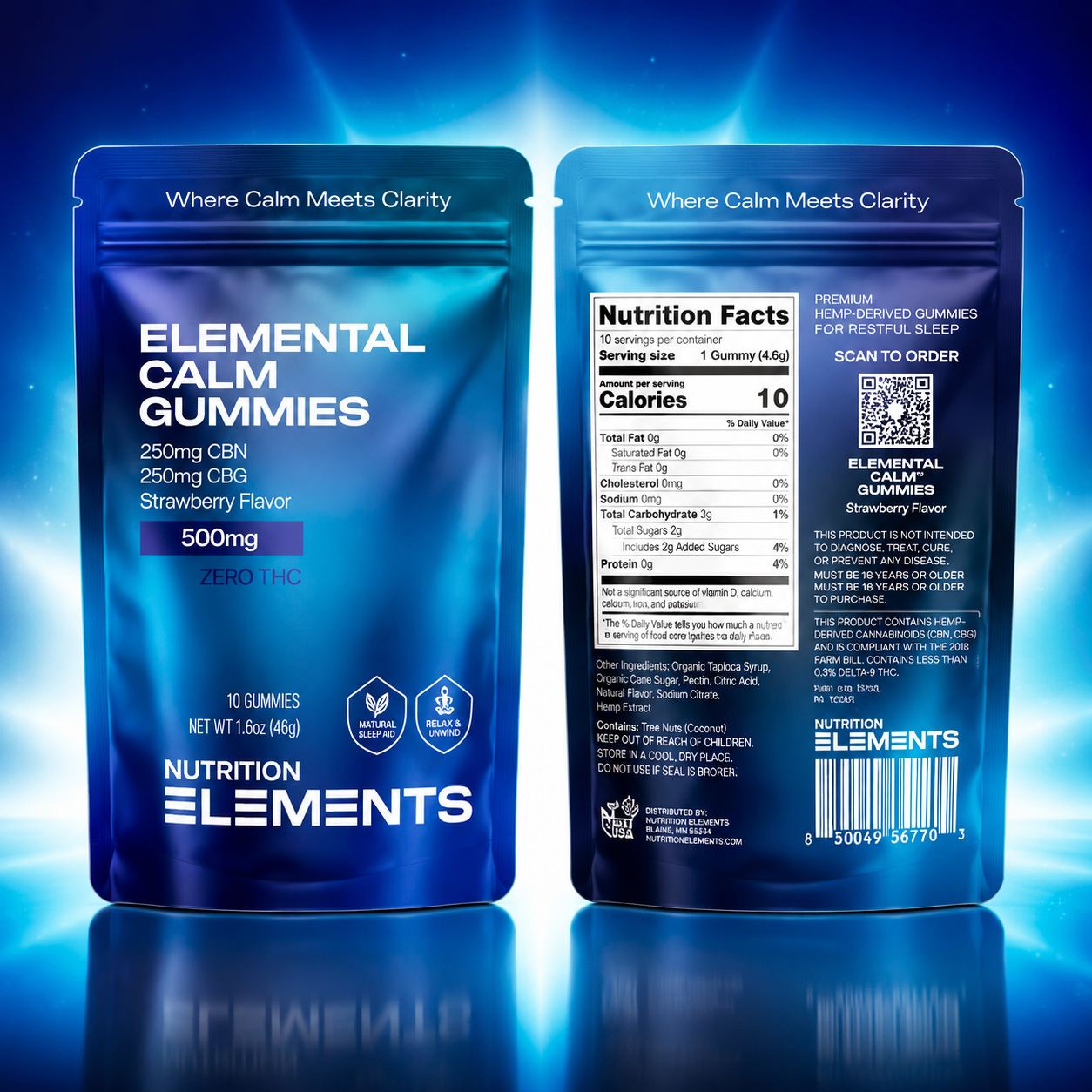
What Is CBN? Cannabinol and Sleep, Explained