

Short version: many active people use CBD and hemp products to support everyday recovery — easing the ordinary aches, stiffness, and post-workout soreness that come with training and busy days. CBD is not a painkiller and won't fix an injury, but as part of a recovery routine alongside rest, hydration, and movement, it has become one of the most popular natural wellness tools. This guide covers how people actually use it, which format fits which need, how much to start with, and how to choose a product you can trust.
Two ways people use CBD for recovery
Most routines use one or both of these:
- Topicals (roll-ons, creams, balms): applied directly to a specific area like shoulders, knees, or lower back. Many people reach for these for targeted, on-the-spot comfort after a workout.
- Ingestibles (oils, gummies, capsules): taken daily to support whole-body balance and a calmer baseline, which many find helps them rest and bounce back.
Match the format to your goal
| Your goal | Best format | Where to start |
|---|---|---|
| Targeted, on-the-spot comfort | Topical roll-on / cream | Cooling Roll-On |
| Whole-body daily recovery | High-strength CBD oil | 14,000mg Full Spectrum Oil |
| Complete routine (topical + oil) | Recovery bundle | Deep Recovery Stack |
| Drug-tested / want zero THC | Broad spectrum (THC-free) | 7,000mg Broad Spectrum Oil |
Topicals vs. ingestibles: which first?
They do different jobs, so many people combine them. A topical is localized and fast to apply right where you feel it; an oil or gummy supports your whole system and a steadier daily baseline. If you train hard, a common approach is a daily oil plus a roll-on for problem areas. New to formats? See CBD gummies vs CBD oil and CBD for post-workout recovery.
How much CBD should you use for recovery?
Start low and go slow. For ingestibles, many people begin around 20–25 mg per day and adjust over a week or two; topicals are applied to the target area as needed per the label. Everyone responds differently, so consistency matters more than a big dose on day one. Our CBD & THC dosage guide has starting points and a simple chart.
Choosing a recovery product you can trust
Two decisions matter most — spectrum and proof:
- Full spectrum includes the complete hemp profile (with trace, legal THC) for the fullest entourage effect; broad spectrum removes THC and is the safer pick if you are drug tested. Compare in full vs broad spectrum CBD and does CBD show up on a drug test?
- Always check the COA. A current Certificate of Analysis confirms potency and purity. Every Nutrition Elements batch is third-party tested — view our COAs, and learn how to read a CBD lab report.
Frequently asked questions
Does CBD help with pain?
CBD is not a painkiller and is not intended to treat any condition. Many people use it to support everyday comfort and post-activity recovery as part of a broader routine.
Topical or oil for sore muscles?
Many people use a topical for targeted areas and a daily oil for whole-body support — the two are often combined.
How long until I notice anything?
Topicals are used as needed; with ingestibles, most people give it one to two weeks of consistent daily use.
Will a recovery product make me fail a drug test?
Full-spectrum products contain trace THC; choose a clearly labeled broad-spectrum (THC-free) option and check the COA if you are tested.
About the author: Evan Bosma is the Founder & CEO of Nutrition Elements, a Minnesota-based hemp and wellness brand focused on customer education and product transparency. View third-party lab results (COAs) for every batch →
These statements have not been evaluated by the Food and Drug Administration. These products are not intended to diagnose, treat, cure, or prevent any disease. This article is educational and not medical advice. Consult your healthcare provider before use, especially if you are pregnant, nursing, or taking medication.
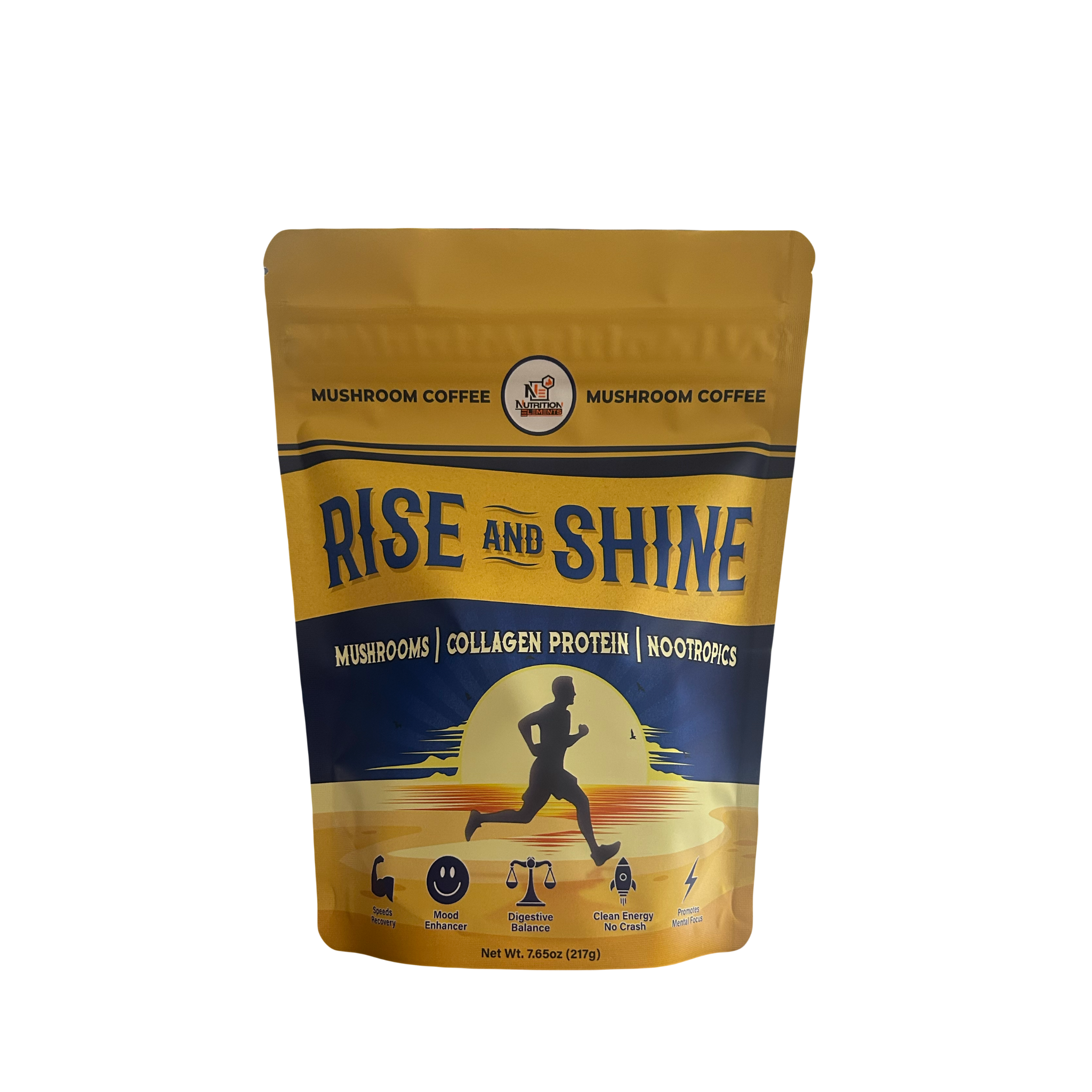
What to Expect From Mushroom Coffee: Taste, Benefits & How It Compares to Regular Coffee
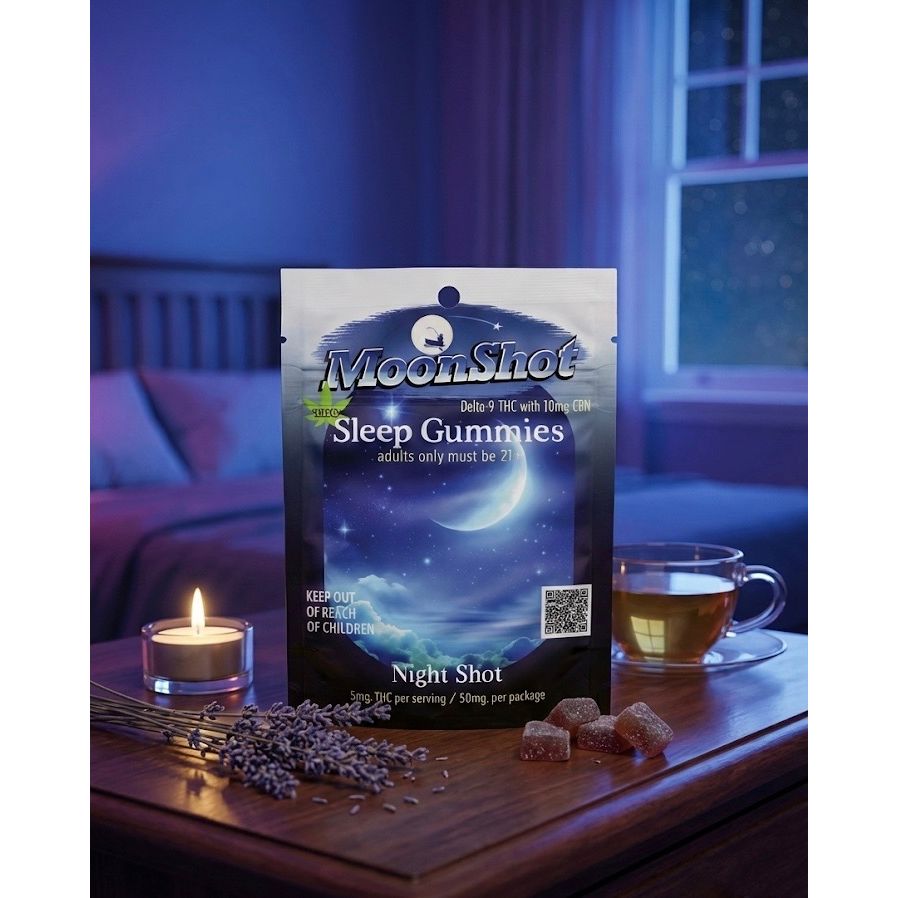
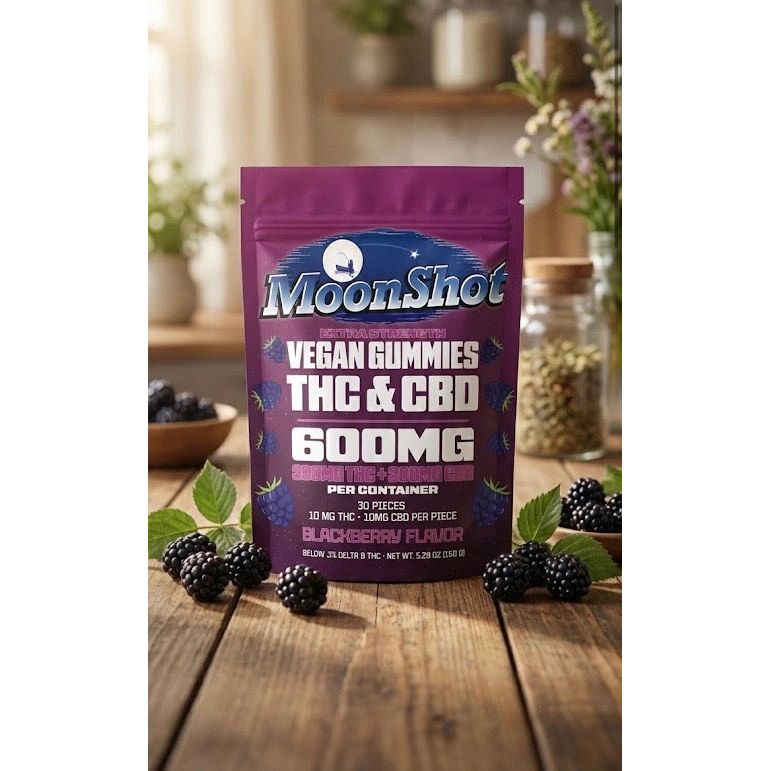
Best CBD Gummies (2026): How to Choose + Our Picks